
MONKEYTOE PLANT PLATFORMS
HVAC Plant Platforms
The Lighter, Stronger, Engineered HVAC Platform Solution
RESOURCES
DOWNLOADS
COMPLIANCE
We design, engineer, manufacture and install HVAC platforms for any application.
At 75% lighter than other structural systems, our lightweight aluminium air conditioner platforms won’t add unnecessary loads to your roof. All materials used in the construction of the roof mounts are compatible with the corresponding roofing system and roofing warranties.
For a robust and cost-effective solution for mounting air handling units, look no further than a Monkeytoe platform. Our plant platforms integrate seamlessly with the Monkeytoe screening range, giving you options both in aesthetics and acoustic requirements.
From consultation through to the final installation, our Team of Experts will be fully involved throughout the process.


Resources

Help & Enquiry
DOWNLOADS
COMPLIANCE
WARRANTY FORM
Reduce weight by 75% over alternative structural systems
Transfers loads to purlins, not the roof sheeting
Eliminate penetrations through the pan of the roof
Skeletal and mesh options are available
Weighs on average of only 12kg per square meter of deck
Modular assembly
Fabricated from Marine-Grade Aluminium
Compatible with roofing warranties
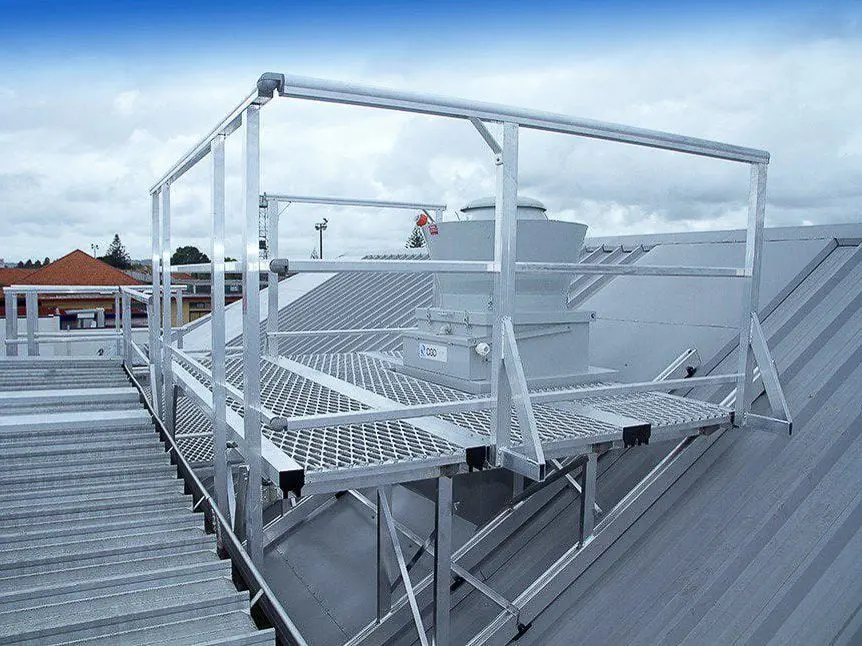
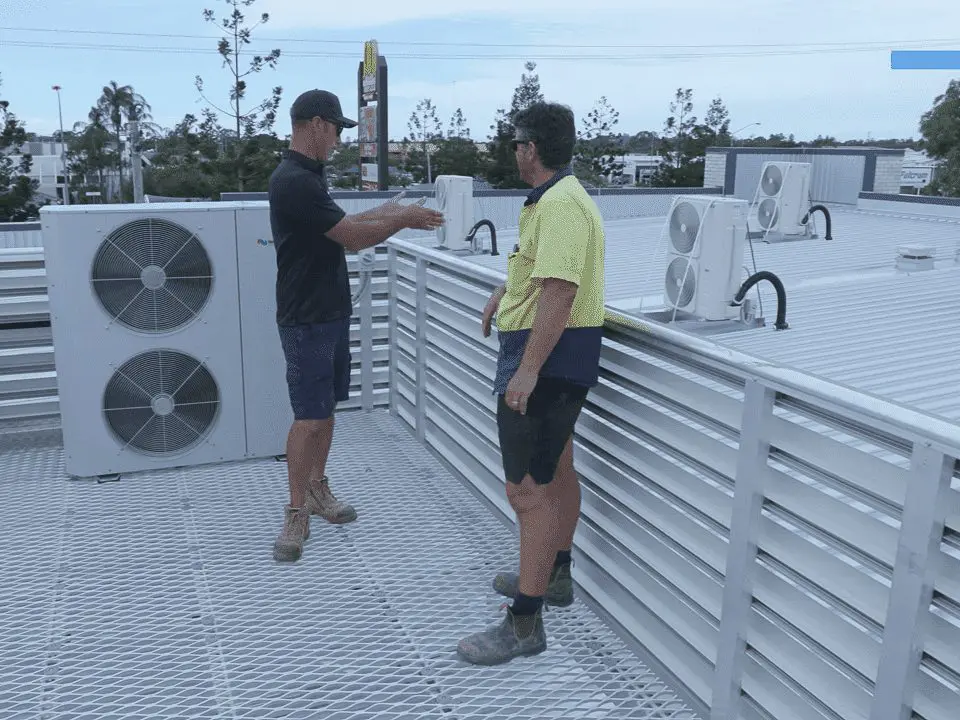


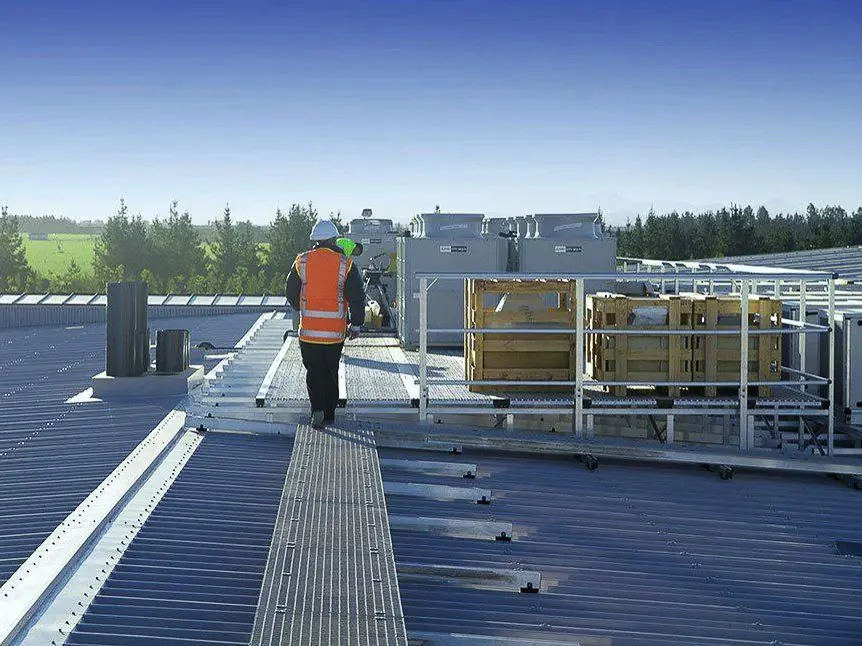
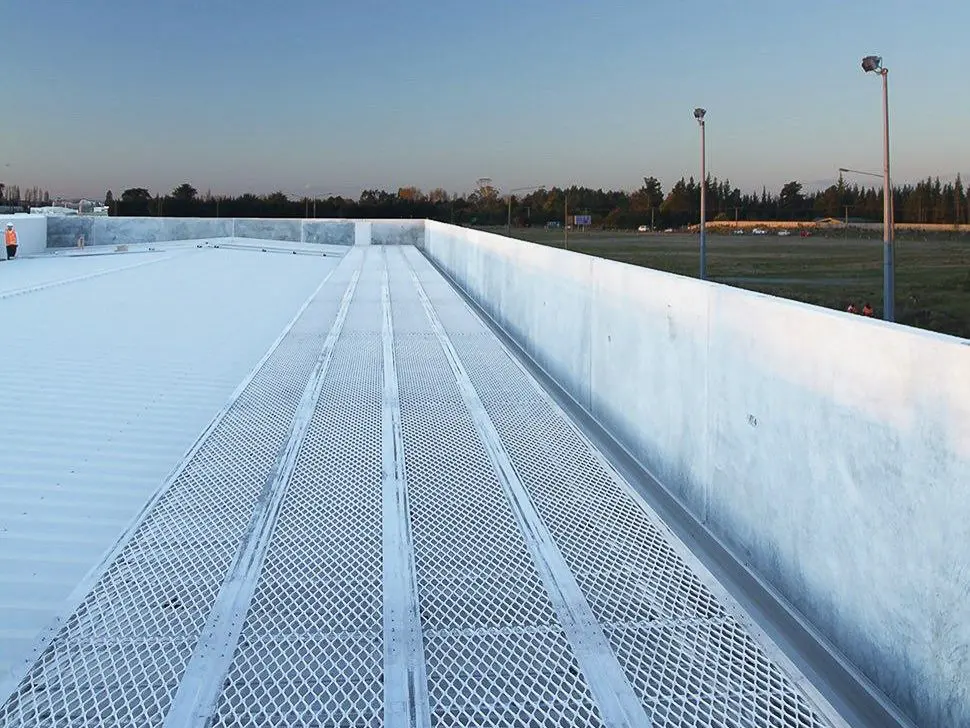


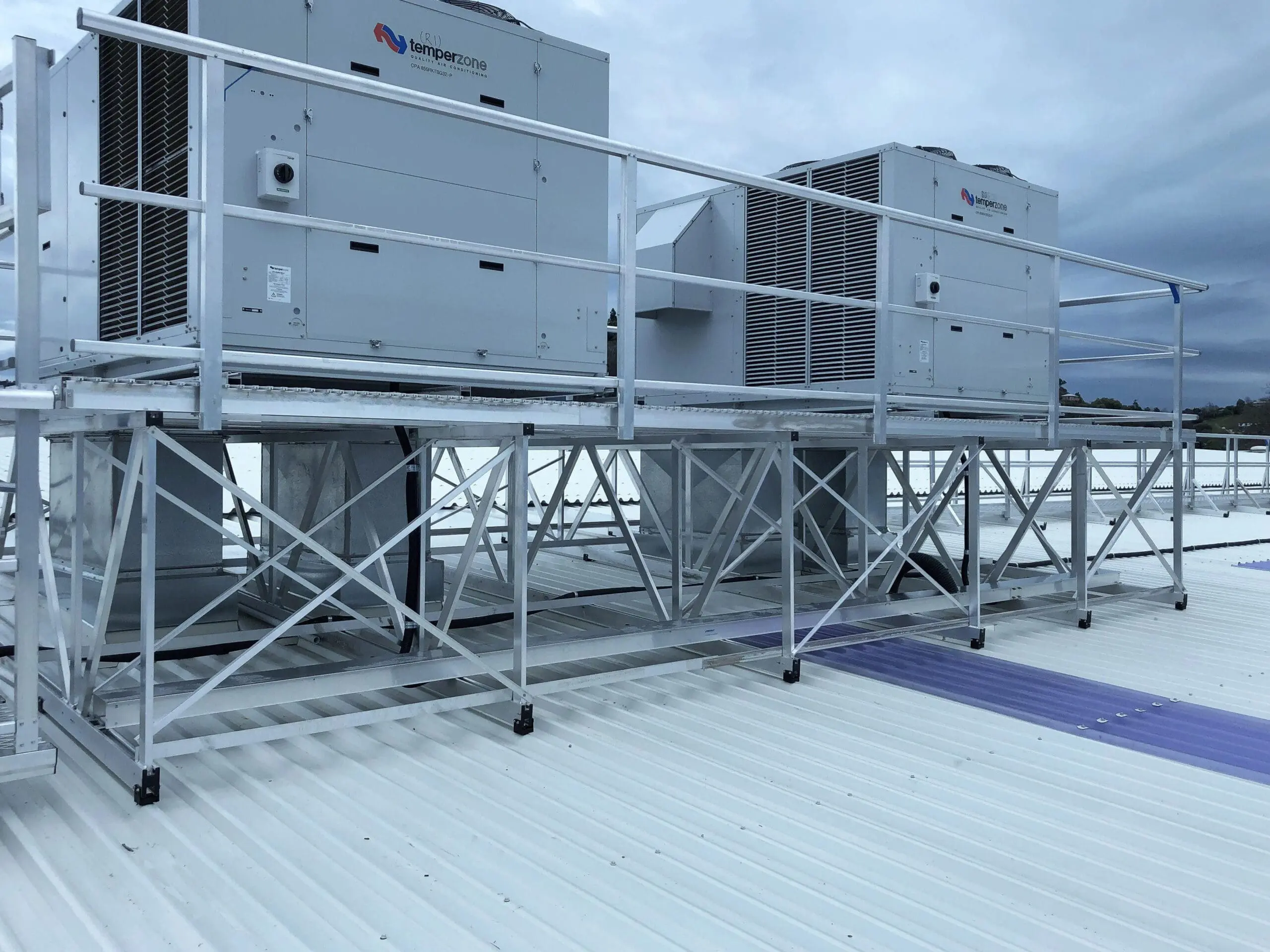
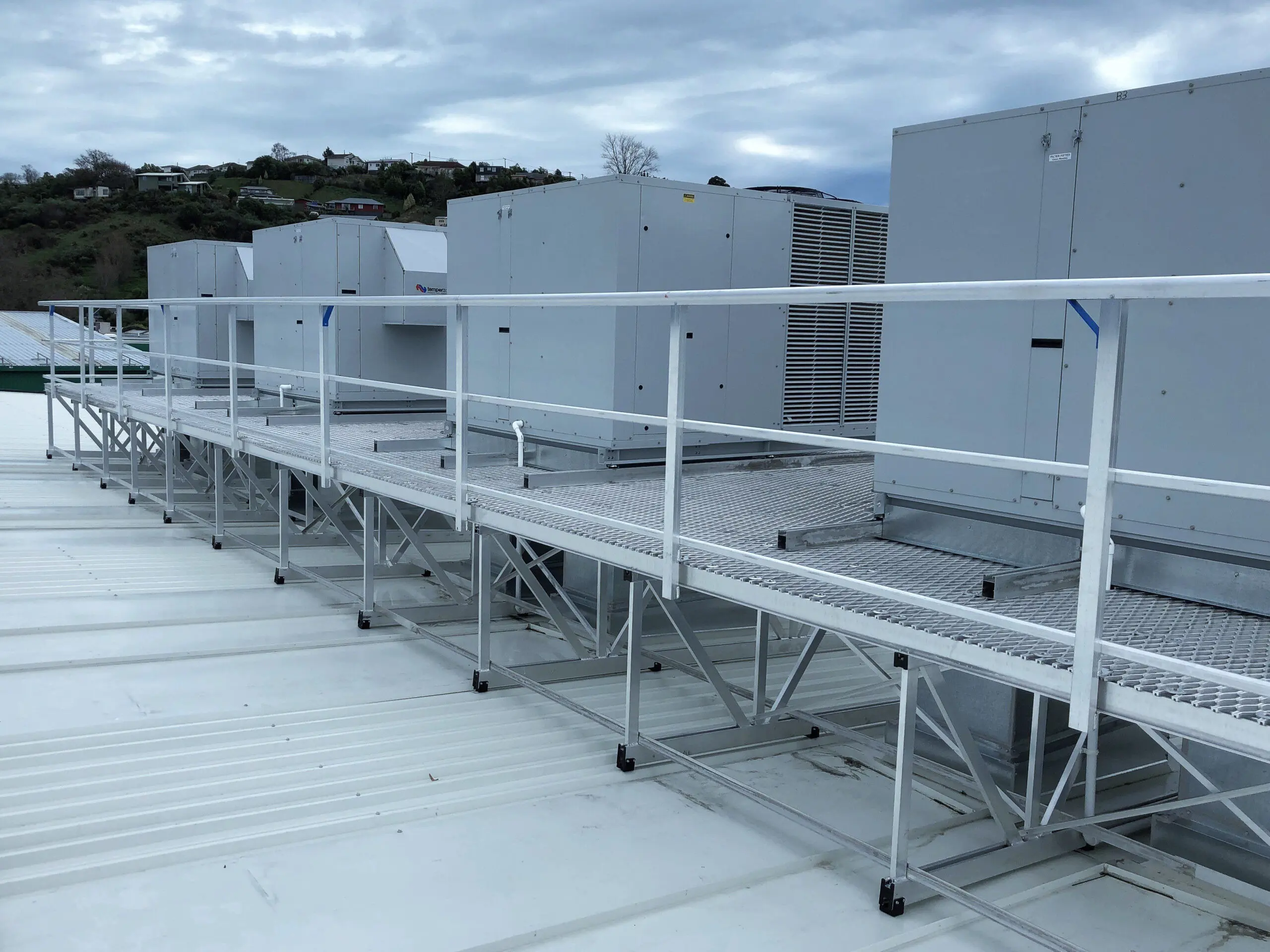
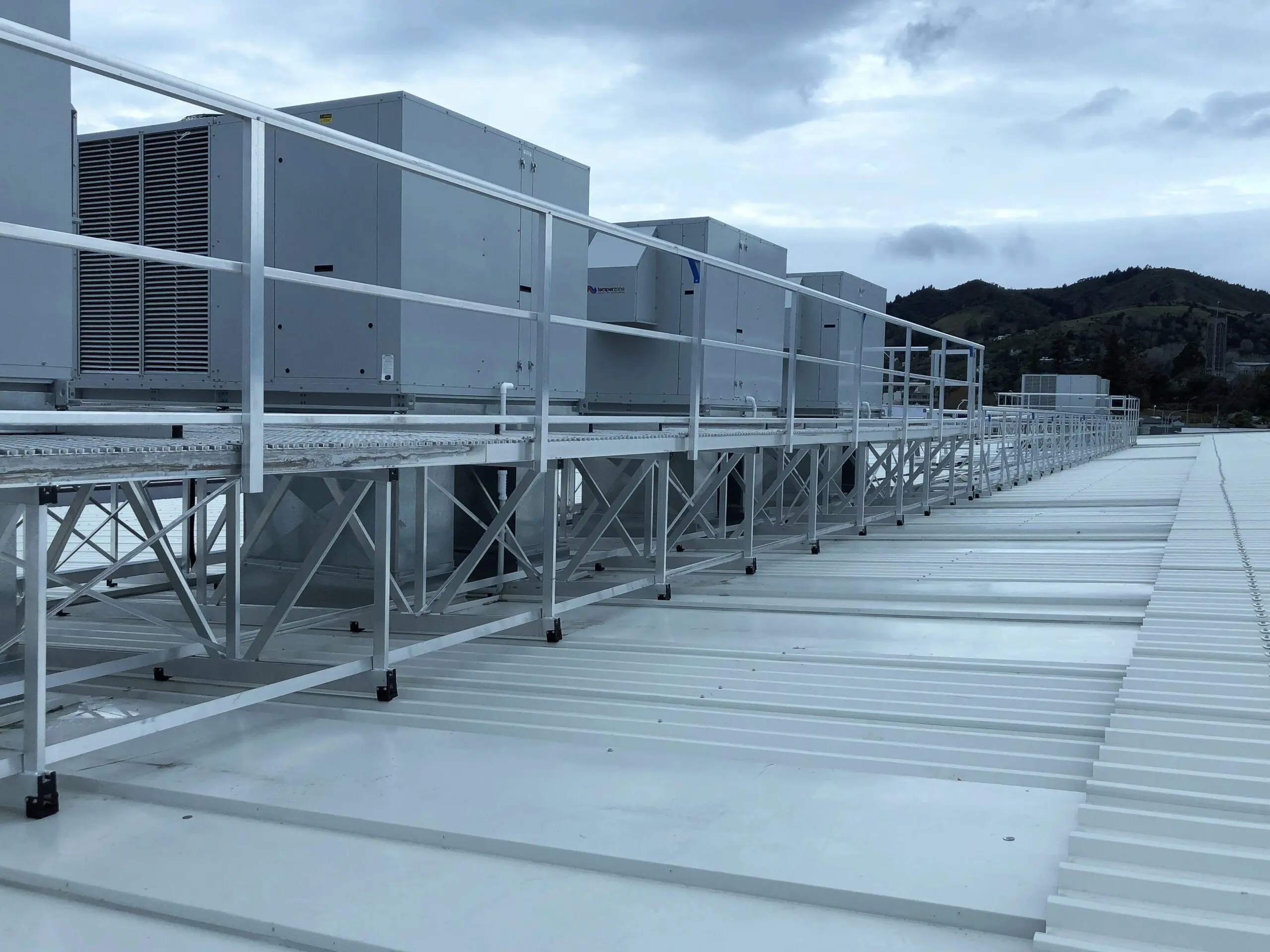

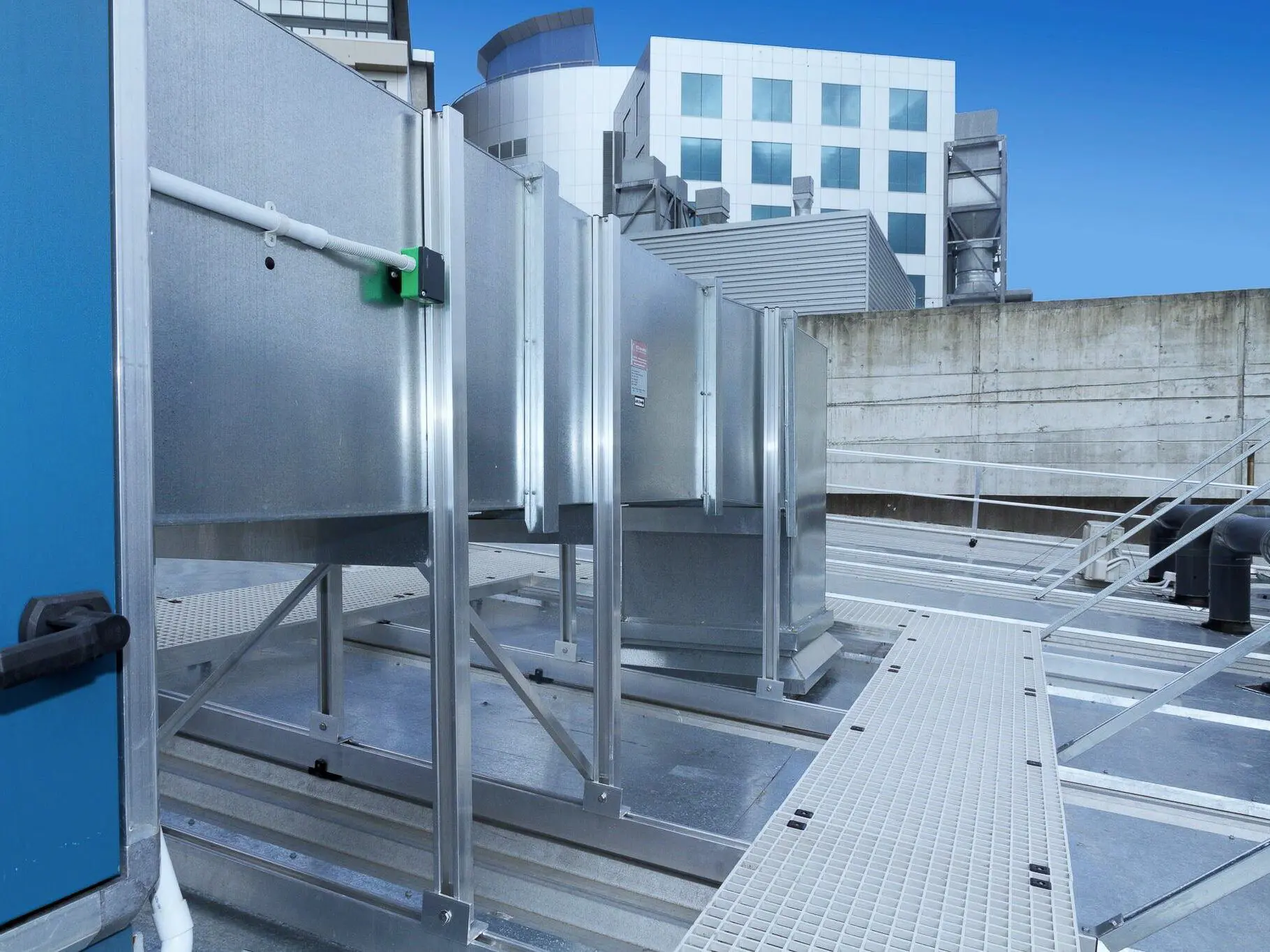
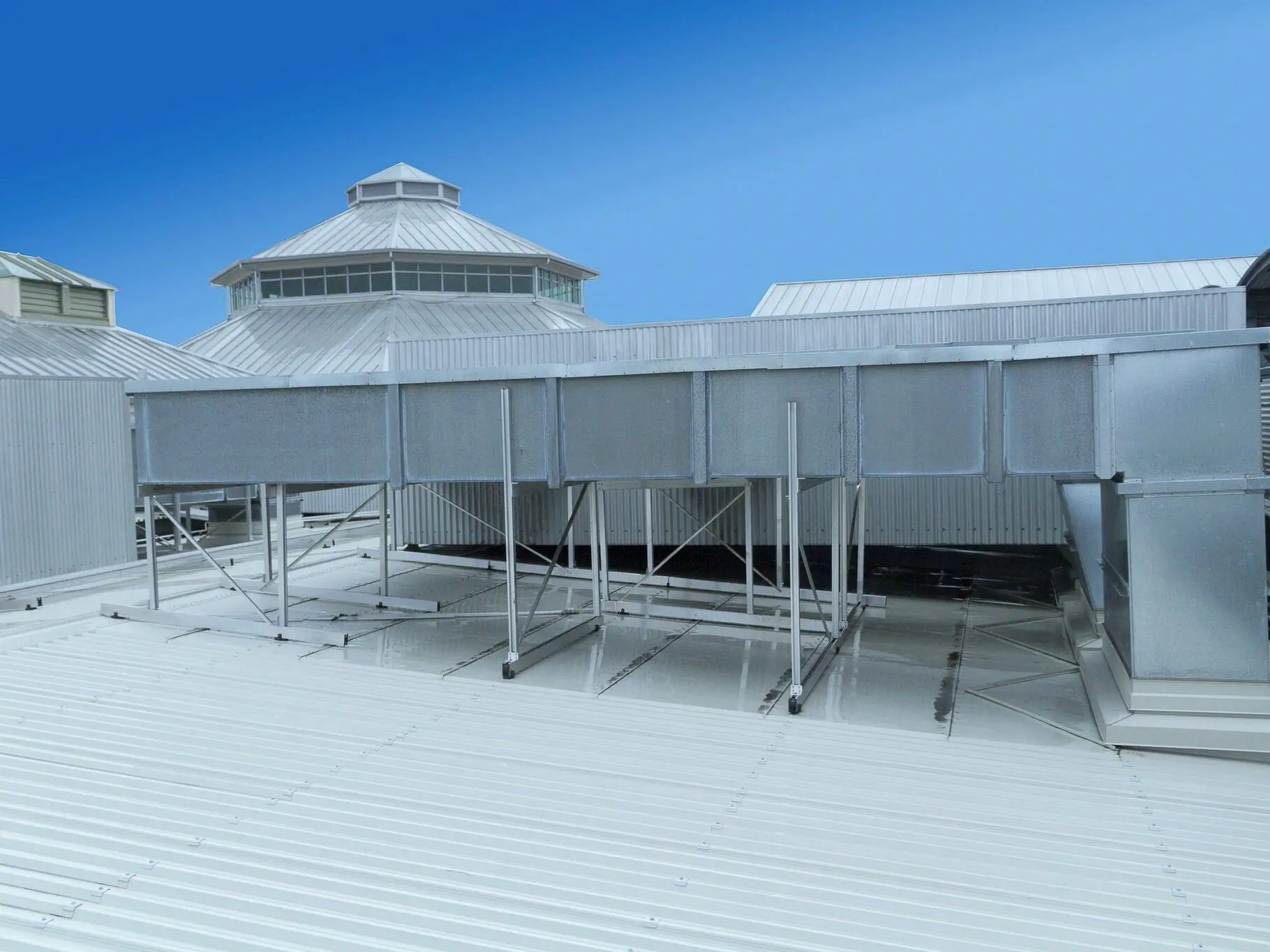
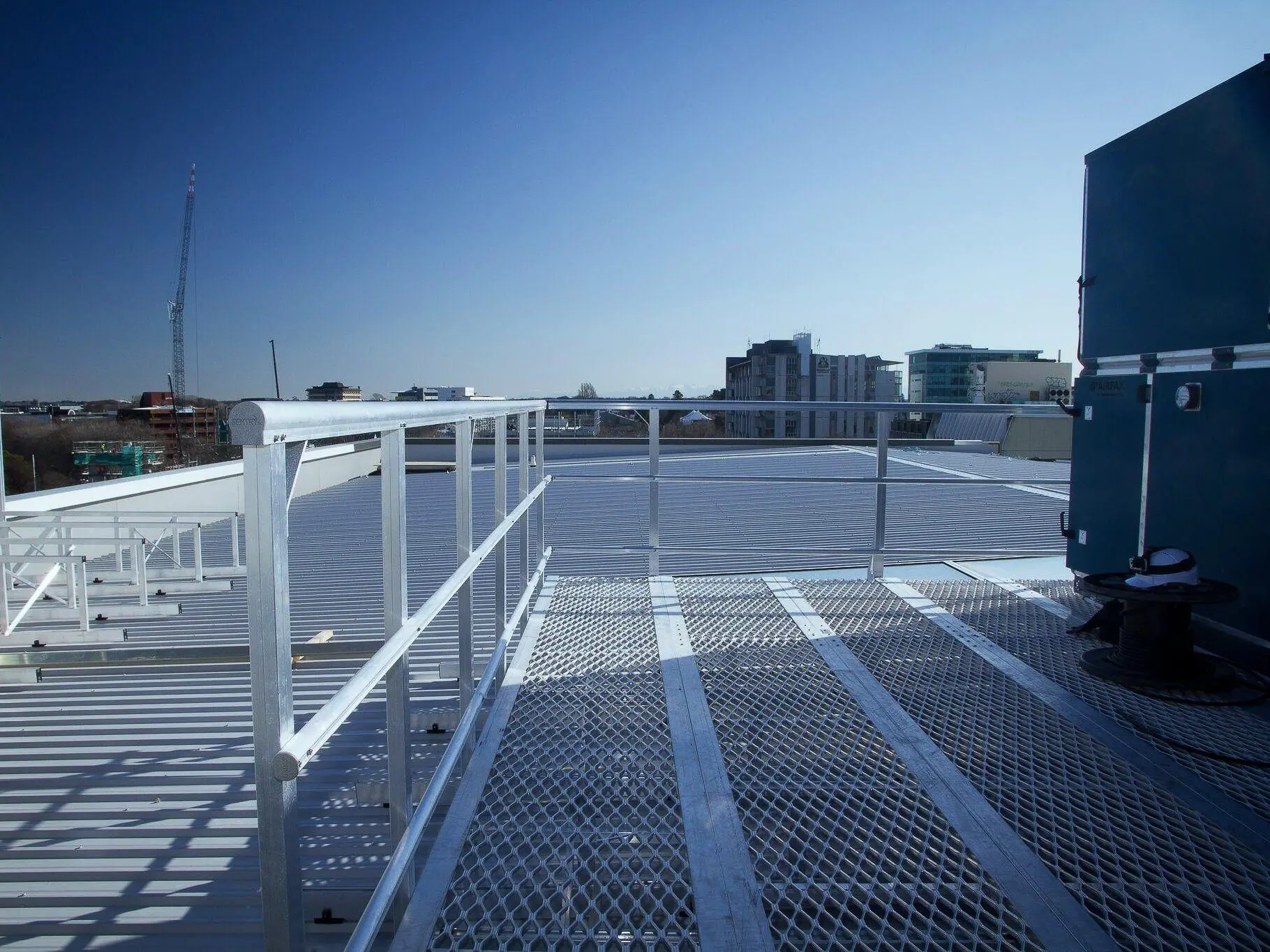
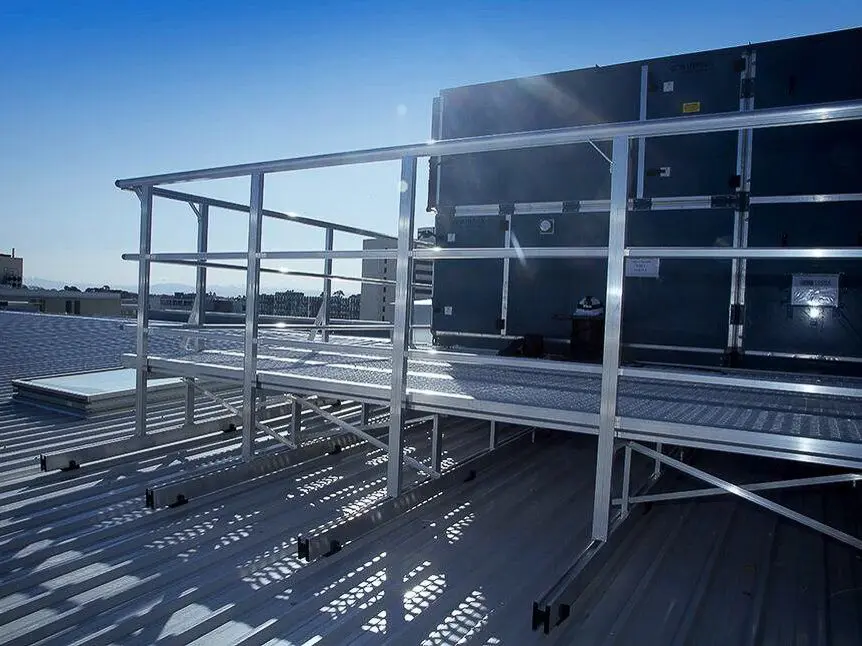
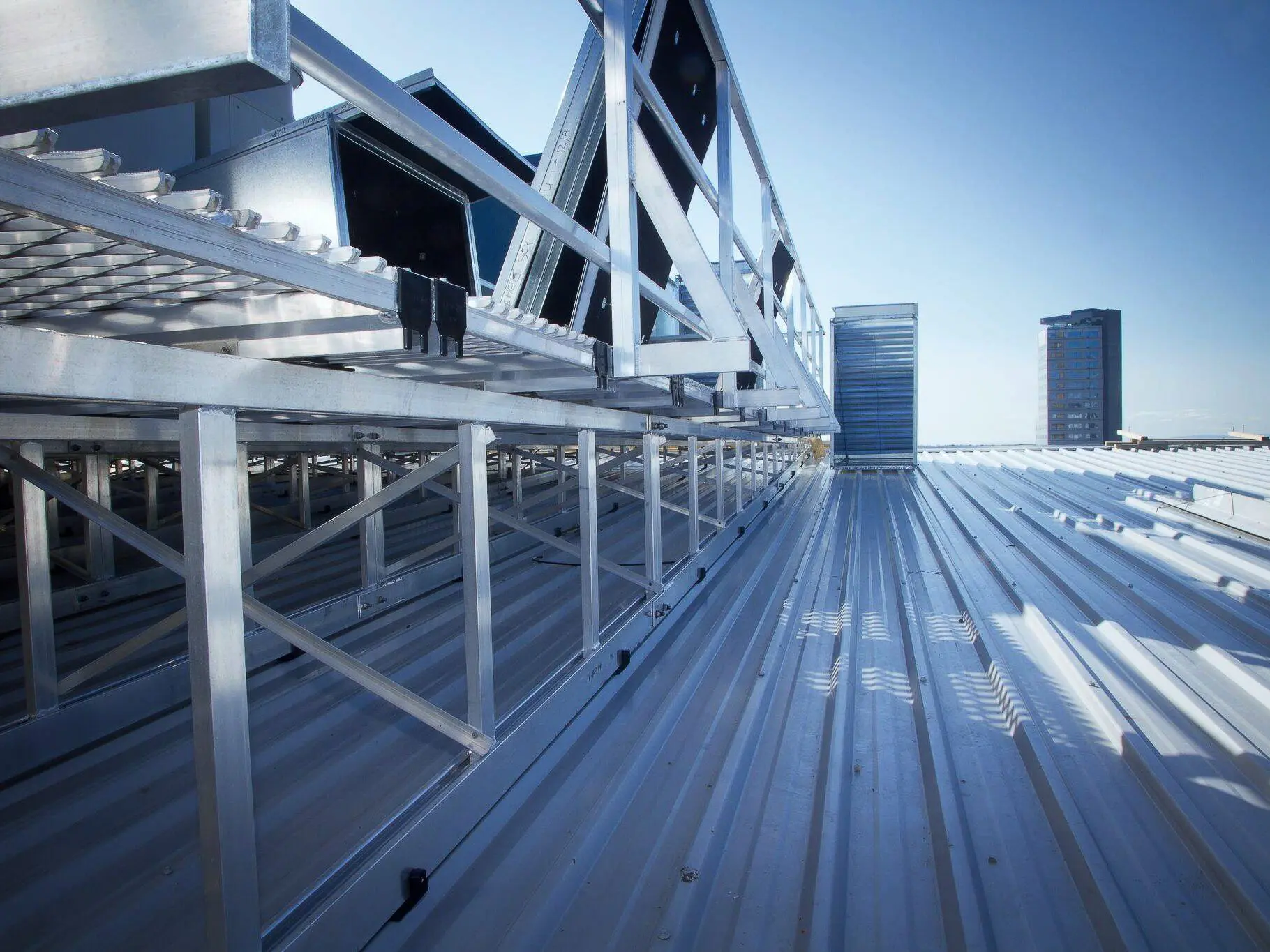


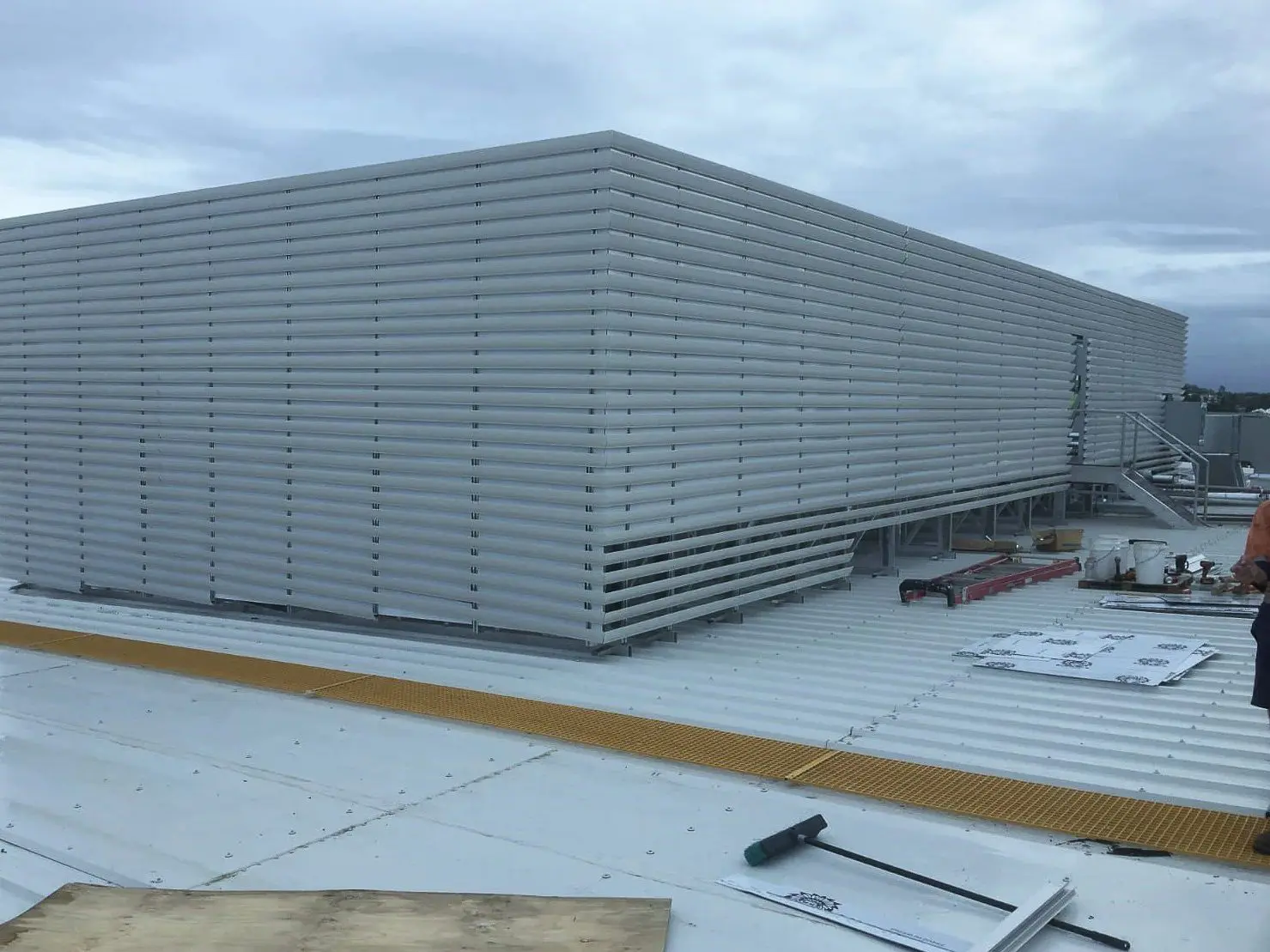
HVAC Plant Platforms


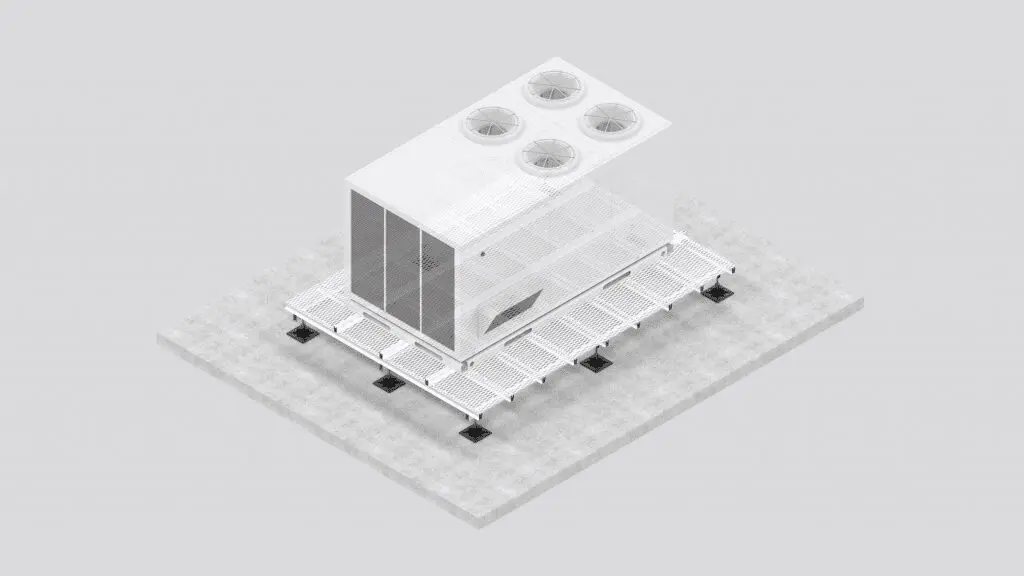
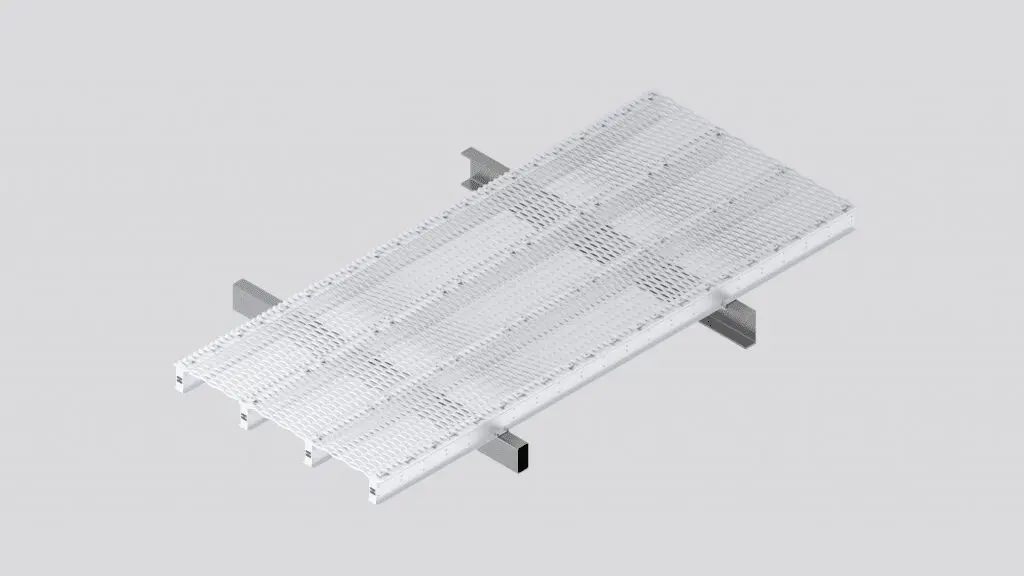
MONKEYTOE CONFIGURATORS
Streamline Your Project with Custom Configurations
FREQUENTLY ASKED QUESTIONS
What’s special about your roof fixing method, how does it work?
Monkeytoe top fixing roofing clips have specially fabricated jack stud which is threaded into the roofing clip then sits on the purlin below.
The jack stud is then tek screwed onto the purlin and the Monkeytoe clip screws down the outside of the stud until it is sealed onto the roofing profile. Using this unique Monkey Toe fixing, all loads are transferred to the building structure – not the roofing product.
How do we know whether the roof profile is top fixed or hidden fixed profile?
Generally you will see a nail or tek screw line in a top fixed profile.
If my purlins are supporting a Monkeytoe platform, how do I use my purlins to transfer the loads towards the building bracing system?
Generally, the platform induced lateral loads can be transferred to braced walls/portal frames/shear walls through roof diaphragm actions by the roof sheeting or other forms of diaphragms such as plywood.
In the case where the diaphragm is absent or inadequate, the lateral load transfer can be achieved through axial tension/compression actions of the purlin in the along direction and through out of plane bending and shear in the across direction.
In this case the client’s structural engineer is required to carry out this check. Monkey Toe can assist with this if required.
How long are Monkeytoe products designed to last?
Monkeytoe products are designed for the long-haul with most of our structural components having a lifetime warranty of 25 years.
All our products are designed for long life in harsh rooftop coastal environments. Aluminium is a highly durable with some aluminium products like statues lasting more than 100 years.
Some of our products have a shorter warranty such as Hushmonkey which has a 10-year warranty, this has a replaceable insert which can be easily replaced as required.
HVAC PLANT PLATFORM DOWNLOADS
Purlin-Mounted Platform
SmartGrip Membrane HVAC Plant Platform
Mesh Span Decking
Spec Sheet Mesh Span Decking (PDF)
Membrane HVAC Plant Platform
Xbeam – Platforms
Unit Support Rails
FAQ'S
What are the advantages of having Mesh Platform over a Skeletal Platform?
A Mesh Platform provides the service personnel a service area, further enhancing the protection of your roof. It means the servicemen are working on the same level as the mechanical units, making it easier to service. It is also safer as they are working on a level area rather than standing on the slope of the roof.
Does Monkeytoe cover the Engineering of Plant Platforms?
Yes. All platforms have either generic design or are designed as job/project specific.
Does Monkeytoe cover the Engineering of Plant Platforms?
Generally, the platform induced lateral loads can be transferred to braced walls/portal frames/shear walls through roof diaphragm actions by the roof sheeting or other forms of diaphragms such as plywood. In the case where the diaphragm is absent or inadequate, the lateral load transfer can be achieved through axial tension/compression actions of the purlin in the along direction and through out of plane bending and shear in the across direction. In this case the client’s structural engineer is required to carry out this check. Monkey Toe can assist with this if required.

Aluminium vs Steel The Ultimate Showdown
Aluminium has long been seen as a premium, quality product but now its versatility is really being realised. At Monkeytoe, we’re passionate about encouraging ‘Construction Influencers’ to look at the whole picture when it comes to construction, and it’s in this context that aluminium’s true benefits shine.

Portal vs Purlin: The Mounting Showdown
If you need to mount an equipment platform, you really have two options.

Anti-Vibration Understanding and Isolation Vibration

5 Air Conditioner Roof Mounting Tips for Commercial Buildings
COMPLIANCE
This system is designed in accordance with Aluminium Structures, Part 1: Limit State Design AS/NZS 1664.1 Standards Australia / New Zealand NZS/AS 1657.
• ABCB NCC 2019
• AS 1657
• AS/NZS 11170.0 General Principles
• AS/NZS 1170.1 Permanent , Imposed and other actions
• AS/NZS 1170.2 Wind Actions
• AS/NZS 1170.4 Earthquake actions in Australia
